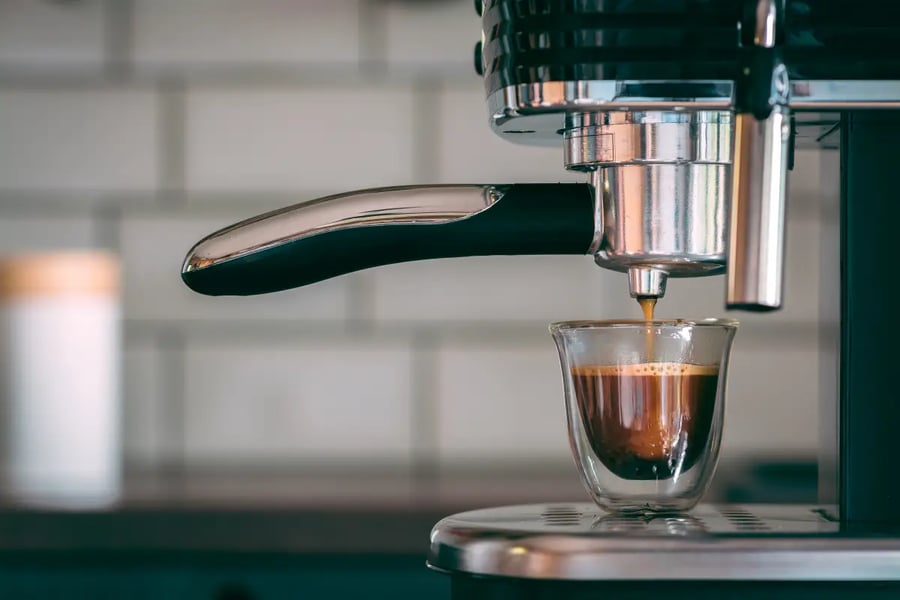
Something interesting is happening on kitchen counters across the country. Pod machines, once the darling of convenience-first coffee drinkers, are quietly being pushed aside. In their place, single-serve espresso machines are earning permanent counter space. The reason comes down to a simple shift in priorities. Home brewers increasingly care about what ends up in the cup, not just how fast it gets there. Flavor, cost, and environmental impact all favor this newer category of brewer, and the trend shows no signs of slowing.
The Flavor Gap Between Pods and Fresh Grounds
Coffee capsules sit in warehouses and on store shelves for weeks, sometimes months, before anyone brews them. During that time, the aromatic compounds that give espresso its richness steadily degrade. Fresh grounds tell a different story. Their essential oils remain intact right up until hot water hits them, producing a shot with noticeably more depth and crema.
A 2023 consumer survey by the National Coffee Association found that 67% of daily coffee drinkers ranked taste as their most important purchase factor. That preference helps explain why so many households now buy single-serve espresso machine setups designed for authentic extraction. These devices generate 15 bars of pressure or more, replicating what café-grade equipment achieves. The espresso that comes out is balanced and full-bodied, satisfying even picky palates without demanding barista-level expertise.
Cost Savings That Add Up Quickly
Per-Cup Economics
One branded capsule runs between $0.70 and $1.40, with specialty options pushing the price higher still. Compare that to whole-bean coffee, where a single pound yields roughly 45 double shots at about $0.30 each. Over twelve months of daily brewing, switching to a grounds-based machine can save a household more than $400.
Fewer Proprietary Restrictions
Most pod brewers lock owners into purchasing capsules from one manufacturer through design patents. That exclusivity narrows selection and keeps prices elevated. Single-serve espresso devices accept any compatible ground coffee, which opens the door to different roasters, origins, and blends at far more competitive rates.
Environmental Pressure on Capsule Systems
Every year, billions of aluminum and plastic pods wind up in landfills. Recycling programs do exist, but participation stays stubbornly low. Many local waste systems simply lack the capacity to properly process these small, mixed-material capsules. The environmental cost has caught the attention of both advocacy groups and everyday consumers.
Grounds-based machines sidestep that packaging problem almost entirely. Spent coffee grounds break down naturally and even work well as garden compost. For households looking to shrink their environmental footprint, that practical benefit carries genuine appeal.
Better Brewing Control for Home Users
Adjustable Pressure and Temperature
Today's single serve espresso machines let users tweak pressure settings, dial in specific temperatures, and activate pre-infusion cycles. These controls enable matching extraction profiles to individual bean varieties. A light-roast Ethiopian, for instance, performs best at slightly lower heat than a dark-roast Brazilian blend.
Grind Size Flexibility
Adding a burr grinder to the setup introduces another layer of precision. A finer grind slows extraction and concentrates the shot, while a coarser setting produces something lighter and more approachable. Pod users have zero access to this kind of customization, which puts a hard ceiling on how much they can refine their morning cup.
Compact Design Without Compromise
Earlier generations of espresso equipment demanded serious counter real estate and heavy construction. Current single serve models take up roughly the same space as a standard pod brewer. Engineers have successfully miniaturized boilers, pump assemblies, and drip trays without compromising shot quality. Several units weigh under ten pounds, making them a realistic option for small kitchens, office setups, and even travel.
The Durability Factor
Pod machines rely on motorized piercing mechanisms and sealed capsule chambers, components that wear down with regular use. Sourcing replacement parts for proprietary systems can be costly and frustrating. Single-serve espresso machines, on the other hand, use simpler mechanical internals, brass group heads, and stainless steel portafilters that hold up over years of daily brewing. Routine descaling and basic cleaning are usually all it takes to keep them running well past the lifespan of a typical pod brewer.
Conclusion
The shift away from pod machines reflects a clear set of consumer priorities: better taste, lower long-term costs, and less waste. Single-serve espresso machines check all three boxes in a compact, accessible format. They pull café-quality shots, work with any ground coffee, and produce minimal packaging waste. As prices drop and brewing technology continues to improve, this transition is only going to accelerate. Every year, the argument for fresh grounds over capsules becomes more compelling for anyone who takes their home espresso seriously.
Copyright © 2026 California Business Journal. All Rights Reserved.
For California Business Journal Disclaimers, go to /terms-conditions/.