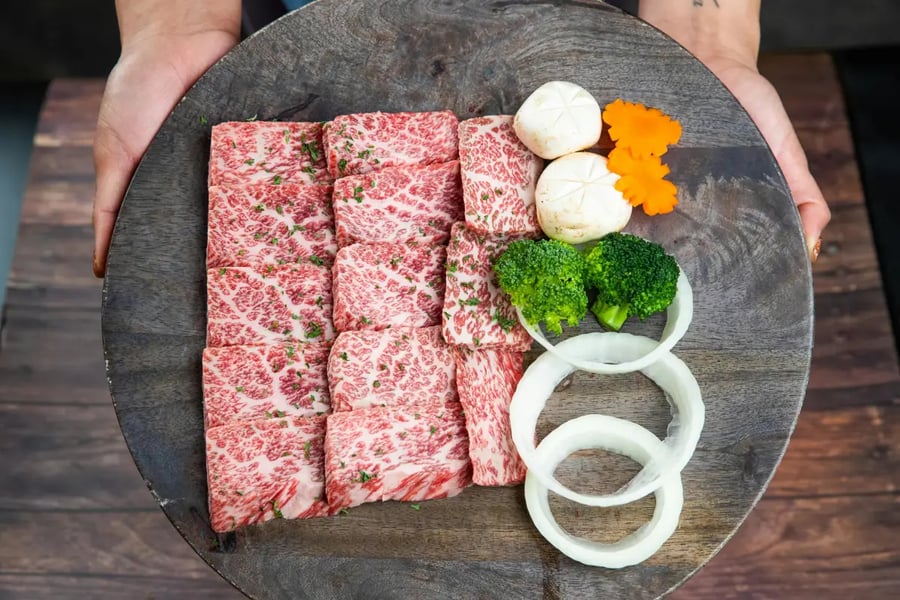
Wagyu beef comes from Japanese cattle lines prized for dense marbling, a low melting point, and a remarkably tender bite. Many diners recognize the name, yet labels can still blur breed, grade, and place of origin. That confusion matters because those details shape flavor, texture, and price. A careful explanation helps readers understand what sits on the plate, why it tastes different, and which terms carry real meaning.
Why It Stands Out
Cost may catch the eye first, but structure explains the deeper appeal. At a Wagyu steak restaurant, diners often see thin white fat woven through the muscle, rather than resting along an outer edge. During cooking, those fine streaks soften quickly and coat each bite. Fat quality matters as much as amount, so two similar cuts can produce very different textures, aromas, and finishes.
Japanese Roots
"Wagyu" means "Japanese cattle," though the term carries more weight than a direct translation suggests. Japan spent decades refining bloodlines, feeding practices, and animal records to produce beef with a distinct fat pattern. Those standards help protect authenticity and consistency. For that reason, true Japanese Wagyu signals ancestry, husbandry, and traceability, rather than a loose marketing label placed on a package.
The Four Breeds
Japan classifies Wagyu into four recognized breeds: Japanese Black, Japanese Brown, Japanese Shorthorn, and Japanese Polled. Japanese Black appears most often in premium exports because it tends to develop abundant marbling. Brown cattle, often linked with a cleaner finish, usually present a leaner profile. Shorthorn and Polled remain less common, yet both still belong to the same cattle group associated with Wagyu.
Marbling Explained
Marbling describes intramuscular fat dispersed within lean tissue. Fine distribution matters because it changes heat response, juiciness, and mouthfeel during cooking. As the temperature rises, that fat softens early and creates a velvety sensation across the palate. Visual abundance alone does not guarantee balance. Excess richness can dull appetite, while even flecking often produces a more graceful eating experience from first slice to last.
How Grading Works
Japanese grading uses two separate measures, yield and meat quality. Yield receives an A, B, or C. Quality receives a score from 1 to 5 after review of marbling, color, firmness, texture, and fat luster. Another scale, the Beef Marbling Standard, runs from 1 to 12. Higher figures indicate more visible fat flecking, though the final grade still reflects several traits judged together.
What A5 Means
A5 represents the highest overall Japanese grade, yet that mark does not promise identical flavor in every steak. One cut may feel almost custard-like, while another delivers a deeper savory note. Bloodline, feeding, age, region, and fabrication all influence the final result. Even so, A5 tells buyers the carcass earned top yield, top quality, and exceptionally high marbling under Japanese standards.
Regional Names
Kobe is one kind of Wagyu, but the category extends far beyond that famous name. Kobe beef must come from Tajima cattle raised and processed under strict Hyogo requirements. Other respected regional labels include Matsusaka, Omi, and Hida. Each reflects geography, production rules, and local reputation. Origin matters because it can signal a distinct flavor profile, texture, and level of documented authenticity.
Outside Japan
Wagyu produced in Australia or the United States can offer excellent quality, though grading methods are different. Many farms cross Japanese bloodlines with local cattle, which often yields larger cuts and a milder fat profile. Some labels list marbling scores, while others use domestic grading terms. Careful reading helps buyers tell purebred beef from crossbred products sold under the same broad name.
Conclusion
Wagyu earns its reputation through genetics, feeding, marbling, and strict grading, rather than mystique alone. Once readers understand how breed, origin, and scoring systems fit together, labels become easier to read with confidence. That knowledge also helps diners choose a cut that suits their appetite, budget, and occasion. Whether the selection is Japanese A5 or a crossbred ribeye, informed ordering usually leads to a better meal.
Copyright © 2026 California Business Journal. All Rights Reserved.
For California Business Journal Disclaimers, go to /terms-conditions/.