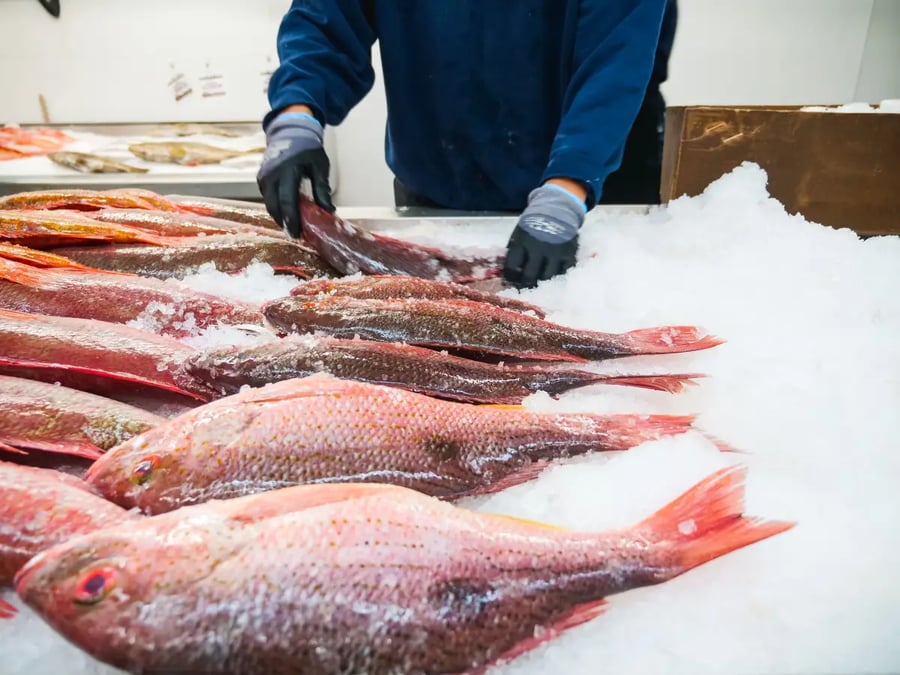
Cold-water seafood shipping sits at the intersection of biology, logistics, and timing. Unlike most perishable goods, live shellfish and fresh-caught fish have virtually no buffer for delays or temperature errors. Every decision made between harvest and delivery either protects the product or degrades it. The systems moving seafood from a working dock to a customer's kitchen are far more intricate than they appear, and the people running them treat every shipment as time-sensitive cargo with no room for shortcuts.
Seafood shipping starts well before any box gets packed. The moment a trap clears the water, a clock begins. For customers who buy fresh maine lobster shipped overnight, that clock is what separates a live, table-ready catch from a disappointing delivery. Every handler in the chain, from the harvester to the carrier, operates under tight windows that cannot flex without consequence. Coordination at this level requires discipline, not just well-meaning intentions.
Temperature Is the Core Variable
Temperature control is not a quality preference in cold-water seafood shipping. It is what keeps the product alive and safe. Live lobsters, for example, require a narrow range, typically between 38°F and 45°F, throughout the entire transit. Too warm and metabolism spikes; too cold and tissue damage sets in. Both outcomes ruin the shipment.
Packaging That Holds the Cold
Standard insulated packaging is not sufficient for overnight seafood transit. Professional-grade containers rely on high-density foam liners paired with gel packs or dry ice, selected based on the species being shipped and the expected transit duration.
Gel packs provide steadier, more controlled cooling without the moisture risks of wet ice. For live shellfish, oxygen circulation matters as much as the temperature reading. A perfectly chilled but sealed container can still kill a lobster through oxygen deprivation.
Timing Dictates Everything
Time is the most unforgiving variable in cold-water seafood logistics. Missing a carrier pickup by thirty minutes can add a full day to transit, and that extra day is often enough to degrade a live product past the point of recovery.
Harvest-to-Pack Windows
Reputable shippers operate within strict harvest-to-pack timelines. A lobster caught in the morning should be packed and ready for carrier pickup the same evening. This approach compresses the total delivery window to under 24 hours in most cases, which is the standard that keeps live seafood viable on arrival.
Carriers with seafood-specific routing treat cold-cargo shipments differently at sorting facilities. They reduce handling time between transit legs and flag temperature-sensitive packages for priority processing.
Carrier Selection and Route Planning
Choosing the right carrier is not a secondary decision in seafood logistics. Not every overnight service understands cold-cargo handling, and a single misstep at a sorting hub can compromise an otherwise flawless shipment.
Last-Mile Considerations
The final delivery leg carries the most risk. Even a shipment that traveled under ideal conditions can arrive damaged if it sits on a sun-exposed porch for several hours. Experienced shippers address these concerns by recommending weekday delivery windows and including handling guidance with every order.
Requiring a signature at delivery adds a practical safeguard. It prevents a live shipment from waiting unattended in conditions that packaging was never designed to withstand.
Regulatory and Safety Standards
Cold-water seafood shipping operates within clear regulatory boundaries. The U.S. Food and Drug Administration sets temperature control standards for perishable seafood in transit, and compliance is required at every stage. Commercial operations maintain temperature logs and chain-of-custody documentation as standard practice. Direct-to-consumer shippers follow the same principles, both to meet safety requirements and to protect their standing with customers who order regularly.
Sourcing Quality Before It Ships
Logistics alone cannot save a poor-quality product. The most efficient cold chain in the country will not improve a lobster that was mishandled at harvest. Quality shippers work exclusively with licensed harvesters who follow proper catch protocols from the moment the trap surfaces.
Before packing, handlers assess live weight, shell hardness, and activity level. A stressed or weakened lobster at the dock has a reduced chance of surviving transit, regardless of how well it is packaged or how quickly it travels.
Conclusion
Cold-water seafood shipping is a precision operation because every stage depends on the one before it. Temperature management, harvest-to-pack timing, purpose-built packaging, and carrier expertise all contribute to whether the product arrives as promised. Consumers who choose direct-ship seafood are placing trust in systems they cannot see, and those systems are what justify that trust. When each step is executed correctly, seafood arrives fresh, alive, and as close to the source as home delivery allows.
Copyright © 2026 California Business Journal. All Rights Reserved.
For California Business Journal Disclaimers, go to /terms-conditions/.