The longer I spend in the brain injury recovery space, the more research I do, and the more I interact with people living with brain injuries and those who care for them, the more aware I become of how many serious needs still go unmet.
And what is becoming equally clear is this: too many people, organizations, and industries are presenting themselves as if they have the answer, when in truth what they offer is often only a small part of what is actually needed.
For those who are entrepreneurial in spirit, I would encourage you to look carefully at this area. There is real need here. But please do not enter it casually, and do not assume you understand the full scope of the problem without first listening deeply to those who live with it every day. Brain injury is not a niche issue. It is a human issue, a family issue, a professional issue, and very often a legal issue.
It has been frustrating to watch the same needs expressed over and over again in social media groups and recovery communities while systems remain slow to respond. More than frustrating, it is sad. We should be much farther along by now in helping people navigate the long term effects of brain injury.
I have been speaking about this for over a decade. Some might say I have been saying it to exhaustion. But I keep saying it because too many people still do not understand the depth of the problem, and because too many of those claiming to help brain injured individuals are not addressing the full reality of what those individuals are up against.
I remember applying for a certification related to brain injury recovery and being told I did not meet the requirements of the program. The irony was hard to ignore. The person delivering that decision had far less experience and far less understanding of the field than I did. To put it plainly, it was absurd.
I am not sharing that out of bitterness, though yes, it angered me at the time. I share it because it illustrates a larger problem. Sometimes the people setting the standards are not the people with the deepest knowledge, the most relevant experience, or the clearest understanding of what is actually needed. Ego and gatekeeping have a way of entering spaces that should be focused on service. And when that happens, progress slows down and people who need help are the ones who pay the price.
I am working on several things now that I believe could bring real relief to many people. This time, I am being more careful about when I speak and how much I reveal before the right structure is in place. In the past, speaking too early has been, frankly, maddening. But if you know how to read between the lines, then you already understand that things are not okay.
Consider for a moment what a brain injury can do to a person over the long term. It can affect communication, memory, focus, organization, emotional regulation, processing speed, relationships, employment, and the ability to navigate everyday responsibilities. It affects not only the injured person, but also their family, their friends, their work life, and every institution they must interact with after the injury.
And yet we still do not seem to have adequate evaluative mechanisms in place to account for this in practical terms. We have ways of calculating the impact of visible physical injuries in many settings, but brain injury, especially when invisible, is too often overlooked, minimized, or misunderstood.
That needs to change.
One practical step I believe should become standard is this: whenever someone enters litigation, sells a house, gets divorced, negotiates business terms, or becomes involved in any process requiring sustained communication, comprehension, and decision making, one question should be asked at the beginning:
Have you had a brain injury, or are you currently experiencing challenges related to a past brain injury?
That one question could change outcomes.
If it were asked early and taken seriously, it could reduce confusion, prevent unnecessary escalation, and lessen the extreme stress that so often comes from miscommunication. From my own experience, and from what I have observed in others, the amount of time it takes to reach a fair and satisfactory conclusion can multiply dramatically when a brain injury is not recognized and accommodated. And when time becomes billable hours, that has financial consequences too. The people who benefit from delay are often not the people struggling most.
I recently became aware of a continuing legal education course in Florida that teaches attorneys what they need to understand when working with people with cognitive disabilities, including brain injuries. The course includes judges who have spent years watching these issues play out in courtrooms. That matters. If judges are acknowledging the problem, then the problem is real.
I know there are still people who doubt what I have been saying for years. I know there are people who have known me personally and still assume that if I appear functional, then nothing must be wrong. But that only highlights another issue: our methods of evaluating brain injury are often inadequate, and the absence of current, accessible, reliable data is deeply concerning.
We are not looking at this the way we need to.
I know that not only from research, but from experience. I have sat in front of a judge who did not understand what a brain injured person might be struggling with. I have experienced what it is like to have slowed processing, disrupted speech, and reduced ability to organize and connect facts in real time, all while being expected to function as if nothing had changed. I was mistreated in ways that should never have happened. I am not revisiting that for sympathy. I am saying it because if it happened to me, then it is happening to many others.
There is a real need for advocacy in the legal space for people with brain injuries. Not superficial advocacy. Not a title. Real advocacy by people who understand what brain injured individuals may be dealing with, whether that is altered perception, communication barriers, difficulty processing information quickly, trouble organizing facts, or simply the inability to keep up with systems that are rigid and time sensitive.
Recently, I observed a woman who had been representing herself in court. The judge became impatient and told her to find an attorney. She eventually did, but by then the paperwork was disorganized, the case had become chaotic, and the process had already been compromised. It was like trying to reconstruct an egg after it had been smashed across a tile floor. That is not a rare problem. It is happening now, and it deserves immediate attention.
If you are an attorney, a judge, or someone navigating litigation while living with the effects of a brain injury, I encourage you to reach out. If you are looking for solutions, support, or connection to people who may be better equipped to help, I am glad to be part of that conversation.
I am not a lawyer. I am not a doctor. But I am someone who has lived this, researched this, and remained committed to understanding brain injury recovery and its wider consequences for many years. I will continue doing that until I see better systems in place for the very large number of people whose lives have been changed by brain injury.
Author Bio
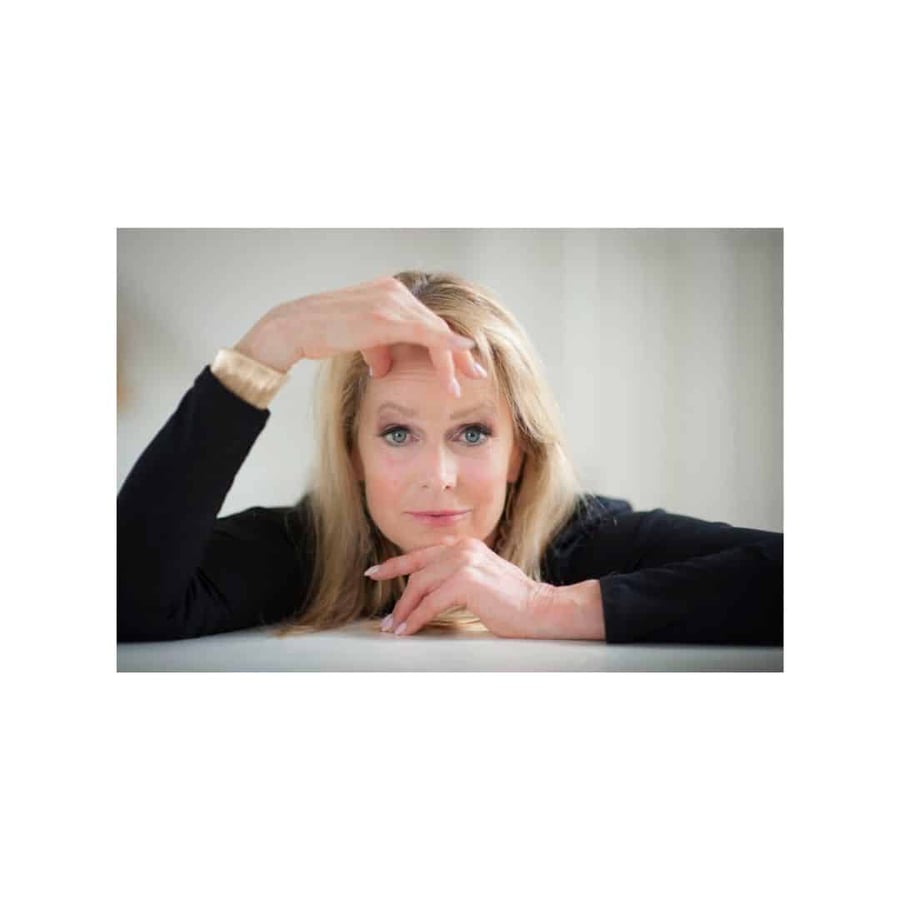
Gail Waitkun is a brain injury advocate, researcher, and writer who has spent more than a decade studying the long term effects of brain injury and the gaps that exist in recovery support, communication, and legal and professional systems. Drawing from both lived experience and years of direct observation, she speaks and writes about the often invisible consequences of brain injury and the urgent need for more effective advocacy, better awareness, and practical systemic change. Her work focuses especially on helping others understand how brain injury affects communication, decision making, and outcomes in everyday life, business, and legal settings.
You can connect with Gail on Instagram and LinkedIn for more publications, articles, and ongoing work in this space.
Instagram: https://www.instagram.com/gwaitkun/
LinkedIn: https://www.linkedin.com/in/gailwaitkun/
You can also find her books on Amazon and Barnes and Noble.
Amazon: https://www.amazon.com/dp/9699492260
Copyright © 2026 California Business Journal. All Rights Reserved.
For California Business Journal Disclaimers, go to /terms-conditions/.