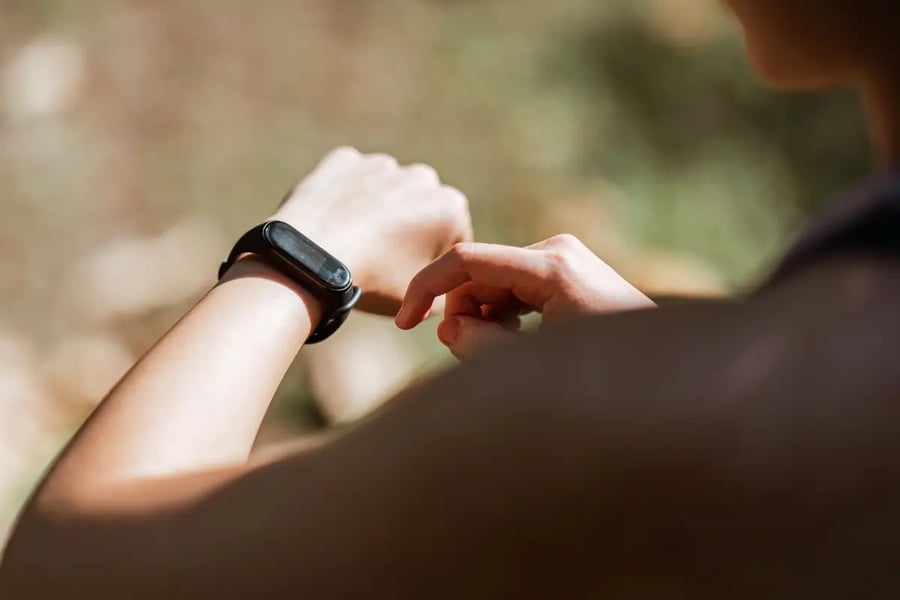
Not long ago, most health information came from occasional doctor visits. If something happened between appointments, it often went unnoticed. Medical wearable technology is changing that. From smart heart monitors to continuous glucose monitors and wearable patches, today's devices can collect health data throughout the day instead of relying on a few snapshots each year. That steady stream of information helps healthcare providers spot trends, respond more quickly, and personalize care in ways that simply weren't possible before.
Continuous Monitoring Creates Better Health Insights
One of the biggest advantages of wearable medical devices is that they don't stop collecting information when you leave a clinic. Instead, they continue monitoring important health metrics throughout daily life, giving providers a much clearer picture of what patients experience outside a medical setting.
As wearable technology becomes more advanced, the amount of information being captured continues to grow. Lexar says ECG monitors generate 5GB-15GB of data during typical use, highlighting why healthcare organizations need reliable, high-capacity storage solutions that can securely handle continuous patient monitoring. Efficient storage isn't simply about saving files. It helps ensure critical health data remains accessible for analysis, diagnosis, and long-term care planning.
When healthcare professionals can review longer periods of patient data, they're often able to identify patterns that occasional office visits might miss.
Wearables Are Expanding Beyond Fitness Tracking
Many people still associate wearable devices with counting steps or tracking workouts.
Today's medical wearables go much further.
Healthcare providers now use wearable technology to monitor heart rhythms, blood glucose levels, oxygen saturation, sleep quality, blood pressure, and even medication adherence in certain situations. Some devices can alert patients or providers when readings move outside expected ranges, allowing earlier intervention before symptoms become more serious.
The technology has evolved from wellness accessories into valuable clinical tools.
Earlier Detection Can Improve Patient Outcomes
Many health conditions develop gradually.
Small changes may appear long before a patient notices symptoms.
Continuous monitoring increases the likelihood that healthcare teams will recognize concerning trends sooner. Instead of waiting until someone schedules an appointment because they feel unwell, providers may already have access to data showing subtle changes over time.
Earlier detection often creates more treatment options and allows care plans to begin before complications develop.
Reliable Data Depends on Reliable Technology
Collecting health information is only useful when the technology behind it performs consistently.
Medical wearable devices must operate accurately while remaining comfortable enough for patients to wear throughout normal daily activities. At the same time, the systems that store and transfer data must be dependable, secure, and capable of handling large volumes of information.
As wearable devices become more sophisticated, choosing reliable components—from sensors to memory and storage—plays an increasingly important role in overall device performance.
Strong technology supports better healthcare decisions.
Remote Patient Monitoring Continues to Grow
Healthcare is no longer limited to hospitals and clinics.
Remote patient monitoring allows many individuals to receive ongoing care while remaining at home, reducing unnecessary travel and making it easier for providers to monitor chronic conditions between appointments.
This approach has become particularly valuable for older adults, people recovering from surgery, and patients managing long-term illnesses that require frequent observation.
Instead of replacing traditional healthcare, wearable technology extends it beyond the walls of medical facilities.
Patient Engagement Improves With Real-Time Feedback
Many wearable devices allow patients to see their own health information almost immediately.
That visibility often encourages greater participation in managing their health. When people can observe how exercise, sleep, medication, or nutrition affects their readings, healthy habits become easier to understand and maintain.
Rather than relying entirely on occasional conversations with healthcare providers, patients become active participants in tracking their own progress.
Small daily decisions become easier to connect with measurable results.
Security and Privacy Remain Essential
Medical information deserves careful protection.
As wearable devices collect increasing amounts of personal health data, healthcare organizations and technology developers must prioritize cybersecurity, encryption, secure storage, and regulatory compliance.
Patients need confidence that their information remains protected while still being available to authorized healthcare professionals when needed.
Building trust is just as important as building innovative technology.
Without strong privacy protections, even the most advanced devices lose much of their value.
The Future of Wearable Healthcare Looks Promising
Medical wearable technology continues to advance at a remarkable pace.
Future devices are expected to become smaller, more accurate, and capable of monitoring an even wider range of health indicators. Improvements in artificial intelligence may also help healthcare providers interpret large datasets more efficiently, identifying meaningful patterns that support faster diagnoses and more personalized treatment plans.
As storage capacity, connectivity, and sensor technology continue to improve alongside clinical research, wearable devices will likely become an even more common part of everyday healthcare.
Medical wearable technology is reshaping how patients and providers approach health management. By collecting continuous information, supporting earlier detection, expanding remote monitoring, and encouraging greater patient engagement, these devices are making healthcare more proactive than reactive. As technology continues to evolve, reliable data collection and secure storage will remain essential, helping healthcare professionals turn enormous volumes of information into better decisions and better patient outcomes.
Copyright © 2026 California Business Journal. All Rights Reserved.
For California Business Journal Disclaimers, go to /terms-conditions/.