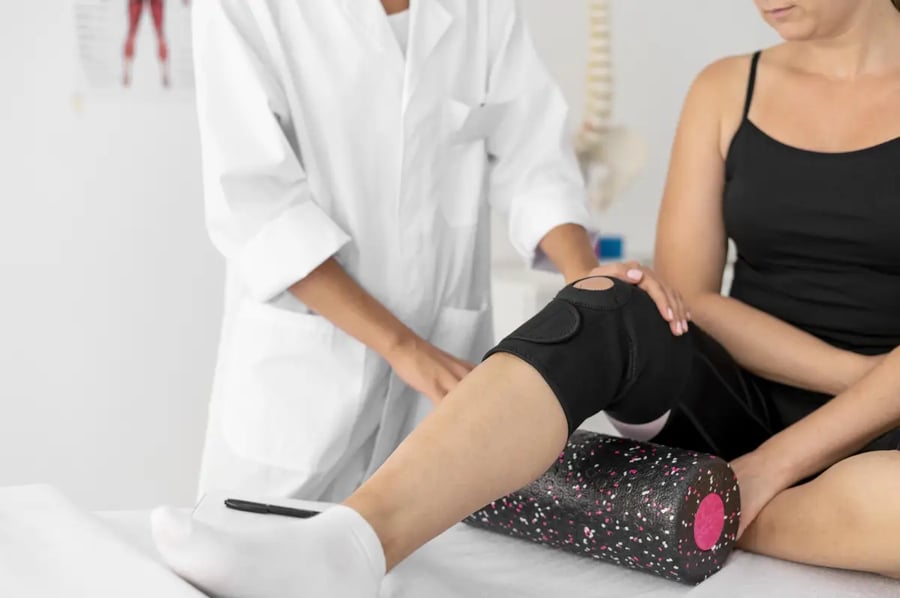
Knee pain can shrink a person’s routine in quiet but serious ways. Stairs become slower, sleep gets lighter, and short walks start to feel calculated. Standard care helps many cases, yet some symptoms persist despite exercise, medicine, or joint injections. Image-guided treatment deserves attention because it lets physicians work with direct visual guidance, match therapy to the source of discomfort, and limit unnecessary trauma to nearby tissue during care.
Better Targeting
A painful knee contains cartilage, bone, synovium, vessels, tendons, and nerves packed into a small space. That crowded anatomy leaves little room for approximation. Patients researching image-guided GAE treatment for knee pain in El Paso often want clear facts about precision, tissue protection, and expected recovery. Those questions are reasonable, because accurate targeting can shape comfort, safety, and function after treatment.
Less Guesswork
Physical examination still matters, but symptoms do not always reveal the exact generator of pain. Real-time imaging gives the physician live positional feedback during treatment. That view can confirm catheter placement, show vessel pathways, and reduce blind movement inside delicate structures. Better visual control supports cleaner decisions at each step and may lower unintended irritation around the joint.
Focus on Blood Flow
Some chronic knee pain is linked to inflamed tissue supplied by abnormal small vessels. Those vessels can accompany synovial irritation and ongoing tenderness. Image-guided care can target selected branches that feed this process. By reducing that excess vascular activity, treatment may lessen swelling and pain signals without disturbing the entire joint environment.
A Smaller Physical Toll
Many adults weigh symptom relief against recovery burden. Open procedures and joint replacement have an important place, yet they ask more from the body. Image-guided options use small access points rather than large incisions. That difference can mean less soft-tissue disruption, fewer wound concerns, and an easier early recovery period for people who still need to manage work, caregiving, or household duties.
Useful Before Surgery
Joint replacement remains appropriate for advanced structural disease, severe deformity, or major function loss. Still, some patients are not ready for that step. Others may need time because of age, medical conditions, or personal timing. Image-guided treatment can serve as an interim option, giving symptom control while preserving future surgical choices and allowing more deliberate planning.
Comfort During Recovery
Recovery affects quality of life as much as the procedure itself. Patients usually ask when they can stand comfortably, resume errands, and sleep without constant position changes. A less invasive method may shorten that early adjustment period. Smaller entry sites often produce less soreness, which can help movement return sooner and make rehabilitation feel more manageable.
Help for Osteoarthritis Pain
Osteoarthritis remains a frequent cause of persistent knee symptoms. Cartilage wear changes load transfer across the joint and can trigger inflammation in surrounding tissue. Image-guided treatment does not reverse cartilage loss. It may, however, reduce pain linked to vascular and synovial irritation. That distinction matters because realistic expectations tend to support better decisions and steadier follow-through with broader care plans.
Candidate Selection Matters
This approach is helpful for selected patients, not every painful knee. Careful screening remains central. Physicians review imaging, medical history, physical findings, and prior treatment response before recommending any procedure. Pain from unstable ligaments, acute fracture, infection, or major mechanical damage may call for another path. Good selection protects patients from misplaced hope and unnecessary intervention.
Imaging Supports Precision
Live imaging helps verify position, map vessel branches, and guide treatment with steady control. In a compact joint, a few millimeters can matter.
Follow-up assessment tracks pain, swelling, walking tolerance, and daily function over time. That review helps physicians judge whether symptom change matches the original treatment goal.
A Practical Option
Most patients judge success by ordinary tasks. They want to rise from a chair, climb stairs, shop, cook, and move through the day with less hesitation. Image-guided knee treatment appeals for that reason. It speaks to function rather than abstract promises. For the right patient, it can fit well beside exercise therapy, weight management, medication review, and ongoing clinical follow-up.
Questions Worth Asking
Before any procedure, patients benefit from direct, plain questions. They should ask what tissue is being targeted, how discomfort is controlled, what risks deserve attention, and how long benefit may last. Recovery expectations also need discussion. Clear answers help families compare options, prepare for the short term, and decide whether the treatment matches the true source of knee pain.
Conclusion
Image-guided knee treatment merits consideration because it combines precise targeting with a lighter procedural footprint. For selected patients, that balance may ease pain tied to inflammation while preserving later surgical options. The best results still depend on sound diagnosis, careful imaging review, and realistic goals discussed in advance. When conservative care no longer gives enough relief, this method can be a sensible next step in a thoughtful treatment plan.
Copyright © 2026 California Business Journal. All Rights Reserved.
For California Business Journal Disclaimers, go to /terms-conditions/.