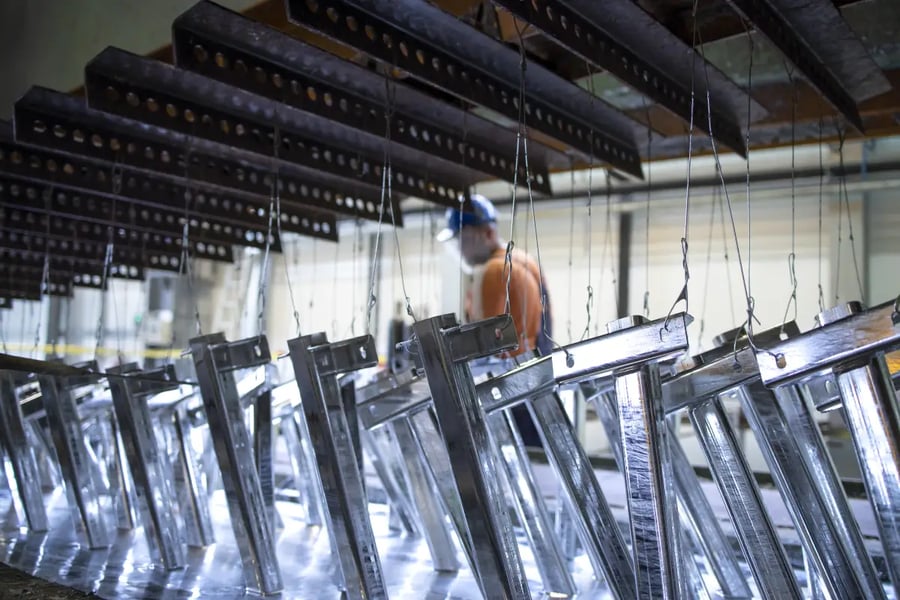
Chrome plating can transform a worn, scratched, or dull metal part into a cleaner, brighter, and more durable component. Whether it is a classic car bumper, motorcycle part, antique fixture, or industrial component, understanding the process helps first-time customers know what to expect.
What Chrome Plating Actually Does
Decorative chromium finishing adds a thin layer of chromium over a prepared metal surface. The process can improve appearance, surface hardness, corrosion resistance, and wear protection.
Professional chrome plating is not simply about making metal shiny. A properly finished surface can better withstand moisture, handling, cleaning, friction, and everyday use.
Step 1: Inspecting the Part
The process begins with an inspection. A technician evaluates the base metal and looks for rust, scratches, pits, cracks, bends, and existing coatings.
Different components require different approaches. A classic bumper may need extensive restoration and polishing, while an industrial shaft may require a functional coating designed primarily for wear resistance.
Step 2: Cleaning and Stripping
Old parts often arrive covered in grease, oxidation, paint, dirt, or previous plating. These materials must be removed before a new finish can be applied.
Depending on the component, preparation may involve degreasing, chemical stripping, sanding, or blasting. Thorough cleaning is critical because contaminants can prevent the new coating from bonding correctly.
Step 3: Repairing and Polishing
Chrome will not automatically hide imperfections. Scratches, rust pits, dents, and rough areas may remain visible underneath the finished surface.
Technicians may use sanding, grinding, buffing, and other metal-repair techniques to create a smoother foundation. The quality of this preparation plays a major role in determining the final appearance.
Step 4: Applying Base Layers
Many decorative parts receive copper or nickel before the final chromium layer.
Copper can help create a smoother surface, while nickel contributes brightness and corrosion protection. Chromium then provides the recognizable outer finish. Each layer serves a specific purpose, so high-quality plating is a multi-stage process rather than a single coating.
Step 5: Applying Chromium
Once preparation and base layers are complete, the component is placed into an electrolytic plating bath. An electrical current helps deposit chromium onto the surface.
The required thickness varies according to the component's purpose. Decorative applications typically use a relatively thin chromium layer, while hard chrome applications may require greater thickness for functional wear resistance.
Careful control of bath chemistry, temperature, current, and timing is essential for consistent results.
Decorative vs. Hard Chrome
Decorative chrome is commonly used for bumpers, trim, wheels, handles, fixtures, and restoration projects where appearance is important.
Hard chrome is primarily used for industrial applications such as hydraulic rods, shafts, molds, and rollers. Its purpose is generally to improve wear resistance and performance rather than simply appearance.
What Determines Cost and Turnaround Time?
Pricing and turnaround depend on several factors, including the component's size, condition, metal type, complexity, required coating thickness, and amount of preparation.
A clean bracket requires far less labor than a heavily rusted classic bumper. Parts with deep corrosion, complex curves, recesses, or damaged surfaces can require considerable preparation before plating begins.
This is why having the actual component evaluated is usually the best way to obtain an accurate quote.
Preparing Your Part for Plating
Before sending a component, take clear photographs and identify rust, cracks, dents, or important cosmetic areas. Remove rubber, plastic, electronics, gaskets, and other non-metal pieces when practical.
Customers should also mention threads, bearing surfaces, or precision-fit areas that may require masking.
Final Thoughts
Chrome plating combines technical precision with careful craftsmanship. The reflective finish may be what customers notice first, but much of the quality comes from inspection, stripping, cleaning, repair, polishing, and preparation.
When each stage is completed correctly, an aging component can regain a clean appearance while receiving additional protection for future use.