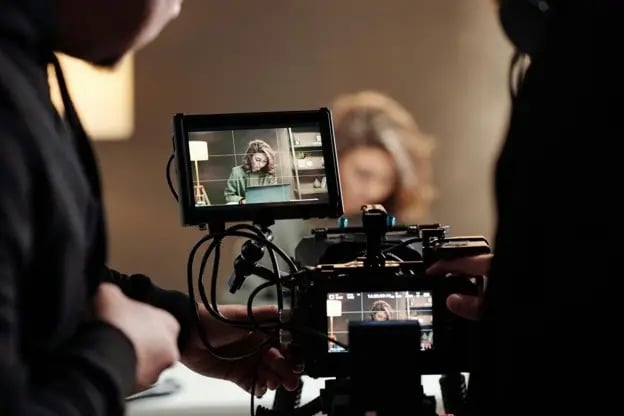
Media is a constantly evolving career, especially in camera operation. Today, camera operators find themselves at the unique intersection between broadcast television and online content creation. Clients expect content specifically designed for social media platforms, which is a far cry from the traditional newscasts of the past.
Fletcher Groseclos explains that this blend of skills means that operators have to move easily between the two worlds, which can be difficult thanks to the massive difference between carefully scripted live shows and dynamic, fast-paced digital media. A successful camera operator knows how to navigate these changes, prioritize learning and technical proficiency, and maintain a collaborative mindset with others on set.
This article explores the core responsibilities, challenges, and opportunities that currently define a modern camera operator’s career.
New Tech, Shifting Responsibilities
A successful camera operator is one who strikes a balance between their traditional broadcast duties and the new, flashy demands of digital media. While live newscasts are still a major part of the job, the rise of social media platforms and influencer marketing means that camera operators must shoot content that works across multiple formats.
Newsroom teams need to adapt to these rapid changes. Shooting for an audience that’s only on a smartphone means working differently, and innovations develop every day that affect composition, lighting, and timing, making today’s shoots trickier than previous decades.
Operators who think outside the box can even combine established filming methods with novel digital techniques, but this requires flexibility and a readiness to learn, as it’s important to stay up to date as technology and audience expectations evolve.
Essential Tasks During Live Newscasts
Someone who wants to be a camera operator for live newscasts must be responsible, ready, and tuned into fine details. They start the day well before the broadcast begins. They spend time setting up cameras, adjusting lighting, and ensuring every audio feed is clear. Then, they coordinate each shot to match the production plan.
All of this happens while working alongside directors and other crew members. A camera operator must maintain constant communication with the control room and other set staff, following cues, changing angles, and finding the sharpest visuals possible. Production teams need to know they can rely on the operator’s precision to keep the program running at a high pace.
The key here is adaptability, because every broadcast can bring a new set of technical demands and last-minute changes.
Real-Time Challenges
Of course, live television rarely goes as planned. For a camera operator, that’s part of the excitement of the gig. They must think quickly when technical issues pop up, no matter if it's a single camera slipping out of focus or a massive lighting failure. This is a valuable skill, since problems can arise at any time and the camera operator must keep the broadcast running smoothly.
In situations like breaking news or unexpected movements on set, a camera operator has to be ready to make instant adjustments to keep up with these changes. An experienced operator knows how to anticipate a crew’s needs, react swiftly, and maintain the broadcast’s quality under a high level of pressure. Their ability to stay focused when it counts is the difference between a seamless newscast and a blooper reel. Operational expertise can help everyone on set navigate the unpredictable world of live news.
Creating Content for Social Media Platforms
Audiences are spending more and more time on social media, which means camera operators are tasked with creating videos that catch attention at the very first second. Producing media for social platforms means rethinking aspect ratios, framing, and shot duration, since these platforms are set up differently from standard television channels. For Instagram and TikTok, clips need to be punchy and visually appealing.
Camera operators have their own set of creative challenges here. While the goal is to capture a moment on video, that video also has to encourage viewers to watch, share, or interact, rather than letting it bleed into the background. They may experiment with new equipment or try different editing techniques to make content that feels fresh and engaging in an attention economy. Adaptability is at a premium when emerging trends and experiments stand out in a crowded media space.
Teamwork Across Broadcast and Digital Media
Like any creative field, collaboration is essential for modern camera work. Operators have to work closely with producers, editors, and social media teams to deliver the perfect footage for their needs. Sharing tips, tricks, and clips between social media and live departments is common, so camera operators should always communicate clearly.
If they work for traditional television and digital-first content, operators should seek to understand the needs of different audiences and tailor their work accordingly. Teams should ensure that footage is compelling and consistent, no matter where viewers are watching. This kind of collaborative work fosters creativity and encourages different perspectives, which makes the final product even better.
Career Growth and Development
There are many paths to growing in the field of camera operation. Many start by simply learning on the job, then focus on building skills with courses, workshops, or certifications. This is important now more than ever, since technology is constantly evolving and staying current with industry trends helps open doors to more roles for camera operators at any stage in their careers.
More media organizations are investing in digital content, creating even more opportunities for advancement. A commitment to continuous learning can make an operator stand out, setting them up for long-term success, and those who embrace it with all their energy might just find themselves at the forefront of media production.