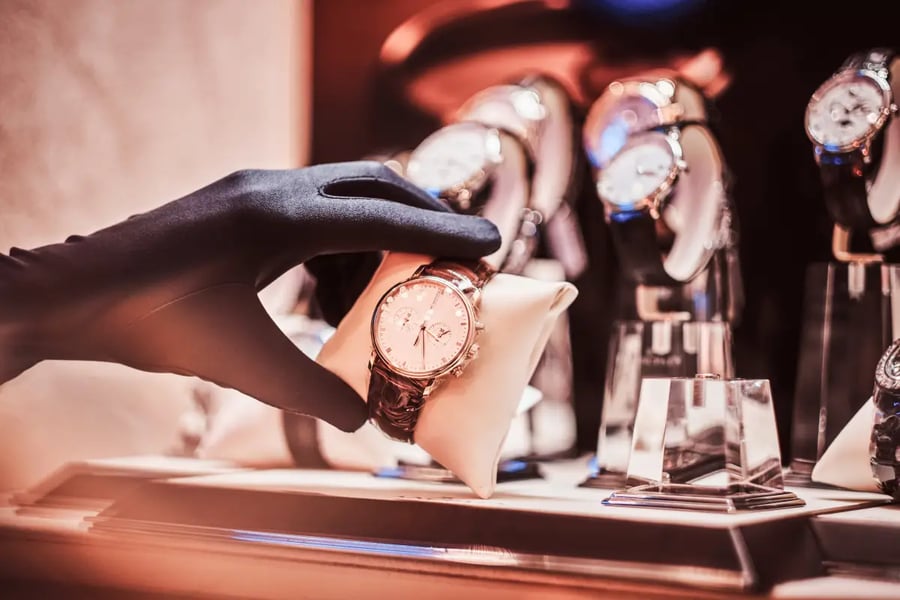
Buying a pre-owned luxury watch can be rewarding, but high-value purchases require careful due diligence. A reputable dealer should be transparent about authentication, condition, documentation, pricing, returns, and after-sale support. Before committing to a purchase, ask direct questions and pay attention to how clearly the dealer answers.
How Does the Authentication Process Work?
Authentication is the most important starting point. A credible dealer should explain how the watch is inspected, including movement checks, serial and reference verification, dial originality, case details, and service history. For complicated, high-value pieces such as Richard Mille luxury watches, specialist knowledge is particularly important because genuine examples have distinctive movements, materials, finishing, and case construction. Avoid dealers who rely only on paperwork or vague claims that an expert has checked the watch.
Ask About Documentation and Condition
Original boxes and papers can support provenance and value, although they do not prove authenticity by themselves. Ask whether the warranty card, serial information, and box correspond with the watch. Missing documentation does not automatically make a watch unsuitable, but the dealer should disclose exactly what is included.
Condition grading also varies between dealers. Ask what terms such as “excellent” or “lightly worn” actually mean and whether the watch has been polished or serviced. For collectible watches, excessive polishing may affect originality and value.
Check the Return Policy and Provenance
A reputable pre-owned luxury watch dealer should provide a clear written return policy, especially for remote purchases. Confirm the return period, required condition, possible fees, and whether the rules differ for online purchases.
You should also ask about provenance. Find out where the watch was sourced, whether its service history is known, and what checks have been made against lost or stolen watch databases. Transparency about a watch’s history is an important part of responsible due diligence.
Understand Pricing and After-Sale Support
Ask how the dealer determines pricing and compare the figure with current secondary-market benchmarks. Scarcity, condition, documentation, and demand can significantly affect value. When you shop Richard Mille watches online, for example, prices may vary considerably between references and individual pieces.
After-sale support also matters. Ask whether the dealer provides a warranty, helps arrange servicing, or supports future trades and acquisitions. Established dealers that maintain long-term client relationships generally have more incentive to protect their reputation.
Watch for Red Flags
Be cautious if a dealer avoids specific questions, refuses to put policies in writing, pressures you to decide immediately, exaggerates condition without evidence, or gives vague answers about sourcing. One unclear response may not prove a problem, but repeated evasiveness should be taken seriously.
Conclusion
Buying a pre-owned luxury watch should not require blind trust. Ask about authentication, documentation, condition, provenance, returns, pricing, and after-sale support before paying. A trustworthy dealer should answer these questions clearly and provide enough evidence for you to make an informed purchase.
Copyright © 2026 California Business Journal. All Rights Reserved.
For California Business Journal Disclaimers, go to /terms-conditions/.