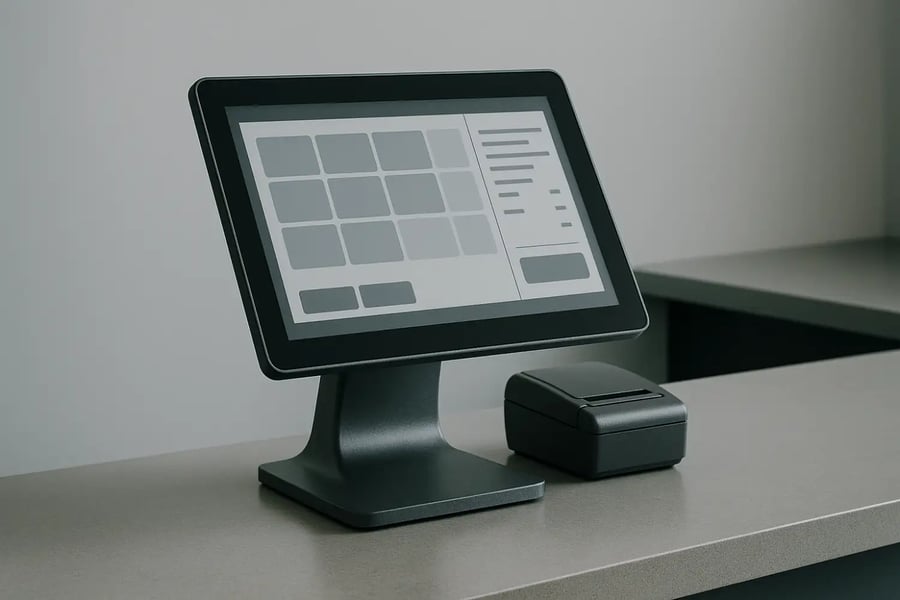
In the competitive restaurant industry, operational efficiency is crucial for success. With growing customer expectations and tight profit margins, leveraging technology becomes essential. One significant advancement is the integration of restaurant pos systems, which streamline various aspects of dining operations. These systems improve order management, inventory tracking, and customer data analysis, ultimately boosting both efficiency and profitability. Understanding the role of these technologies provides valuable insights for business professionals seeking to optimize restaurant performance.
Order management systems enhance processing tasks
Order management systems play a vital role in modernizing restaurant operations. By automating the ordering process, these systems significantly reduce human error and streamline communication between the kitchen and the front of house. This seamless integration allows staff to focus more on delivering quality service rather than managing logistical challenges. As orders are efficiently processed, wait times decrease, enhancing customer satisfaction and table turnover rates.
Efficiency in order processing not only improves service speed but also boosts overall productivity. When staff members can rely on precise order information transmitted through technology, they can serve guests more promptly. This swift service leads to higher customer retention rates as patrons appreciate the smooth dining experience. Additionally, reduced wait times mean that restaurants can accommodate more guests during peak hours, maximizing revenue potential without compromising service quality.
Inventory tracking reduces waste and optimizes stock
Accurate inventory tracking is vital for reducing waste and optimizing stock levels in restaurants. With the help of advanced technology, businesses can closely monitor their inventory in real-time. This capability allows managers to make informed decisions about restocking and avoid over-ordering or running out of essential ingredients during peak times. By maintaining optimal stock levels, restaurants can minimize food waste while ensuring that popular menu items remain available to customers.
The benefits of precise inventory tracking extend beyond waste reduction. By analyzing inventory data, managers gain insights into consumption patterns and trends. This information enables them to adjust purchasing strategies and menu offerings accordingly, aligning with customer preferences and seasonal demands. As a result, restaurants can operate more efficiently by focusing on items that generate higher profits and reducing those with less demand.
Customer data analysis improves personalized service
Analyzing customer data offers valuable insights that enable restaurants to deliver personalized experiences. Advanced technology captures data from various touchpoints, such as reservations and dining preferences, allowing businesses to tailor their services accordingly. By understanding individual preferences and behaviors, restaurants can customize promotions and recommendations to match each customer's unique tastes.
The use of customer data analysis extends beyond personalization; it also helps build stronger relationships with patrons. When guests feel recognized and valued through personalized interactions, their loyalty increases. Technology empowers restaurants to anticipate needs and provide recommendations that enhance the dining experience. This not only boosts customer satisfaction but also encourages repeat visits.
Operational efficiency influences profitability
Improving operational efficiency directly correlates with increased profitability for restaurants. Streamlined processes reduce costs associated with errors, waste, and inefficiencies while maximizing resource utilization. For instance, efficient order management minimizes incorrect orders that would otherwise result in wasted ingredients or unhappy customers who might not return.
Moreover, optimized inventory tracking helps control expenses by preventing overstocking or shortages that could lead to missed sales opportunities or unnecessary waste disposal costs. As a result of these efficiencies achieved through advanced technology integration within operations—from ordering systems to inventory control—restaurants experience enhanced financial performance overall due to fewer losses incurred along production line stages before reaching consumer plates themselves.
Copyright © 2025 California Business Journal. All Rights Reserved.
For California Business Journal Disclaimers, go to /terms-conditions/.