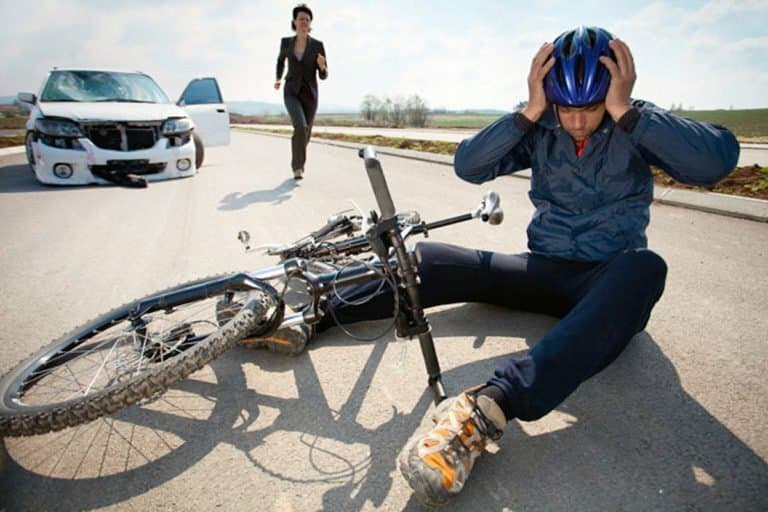
In 2024, the Washington, DC, region recorded 110 pedestrian and bicyclist deaths, underscoring the importance of safer streets for everyone who travels without the protection of a vehicle. Nationally, nearly 1,000 bicyclists lose their lives each year in crashes involving motor vehicles, while thousands more suffer injuries that can have lasting physical and financial consequences. These numbers highlight why determining exactly how a bicycle crash happened is often critical, especially when a driver's version of events conflicts with the evidence.
After a bicycle collision, building a strong claim takes more than competing stories. It requires careful investigation, reliable evidence, and a clear understanding of liability. Kitchel Law helps injured cyclists in Washington, DC, assemble the facts that support their claims and challenge inaccurate accounts, creating a case that drivers and insurance companies cannot easily dispute as the legal process moves forward.
Evidence Begins Early
A lawyer reviews traffic flow, vehicle position, bicycle damage, injury timing, and road conditions before filing any claim. Experienced teams preserve proof while details remain fresh and records are still available. That early effort brings driver conduct, rider movement, road design, and medical harm into one account that can withstand denial.
The Scene Tells a Story
A crash scene often speaks through small details. Skid marks, scraped pavement, cracked reflectors, bent rims, and debris patterns may reveal impact direction. Crosswalks, bike lanes, sight lines, parked cars, and signal timing add the necessary context. Photographs matter because conditions can change fast. Crews sweep glass, traffic resumes, weather alters surfaces, and tire marks can fade within days.
Witnesses Add Weight
Independent witnesses can confirm speed, distraction, unsafe turns, dooring, lane drift, or failure to yield. Their accounts help challenge a driver who says the cyclist appeared without warning. Attorneys reach out quickly, while sensory details remain clear. A concise statement from a pedestrian, passenger, delivery worker, or nearby employee can support the rider when physical proof has limits.
Records Build the Timeline
Police reports, emergency charts, ambulance notes, repair invoices, and missed-work logs create a dated sequence. Insurers often look for gaps, so timing matters. A lawyer checks whether each record supports the next point. The aim is direct: show where the rider was, how impact occurred, which injuries followed, and why expenses continued.
Medical Proof Links Harm
Injury proof requires more than pain complaints. Physician notes, imaging results, therapy plans, medication lists, and specialist referrals connect trauma to the collision. A prompt primary diagnosis can still lead to months of care. Concussions, fractures, nerve irritation, shoulder strain, and deep road rash may worsen after swelling begins. Consistent treatment records make those losses harder to minimize.
Fault Needs Clear Rules
Bicycle cases often turn on basic traffic duties. A driver may fail to yield, open a door into travel space, enter a bike lane, turn across a rider, or follow too closely. Attorneys compare those actions with local rules, lane markings, and signal phases. That work helps turn a broad complaint into a clear fault argument.
-
Common Driver Claims
Drivers may claim the rider could not be seen, was speeding, was outside the lane, or was ignoring signals. A prepared attorney answers with measurements, camera footage, witness details, and physical evidence. Each response should tie back to proof. The strongest rebuttal does not sound emotional. It sounds organized, complete, and difficult to dismiss.
Video Can Change the Case
Traffic cameras, doorbell systems, dash cameras, bus recordings, and security footage from nearby businesses may capture crucial seconds. Many systems delete files quickly, so requests must move fast. A lawyer may send preservation letters before recordings vanish. Even partial footage can show turn angle, light phase, vehicle speed, braking distance, or sudden lane movement.
Experts Fill Gaps
Some cases need accident reconstruction, medical review, bicycle inspection, or roadway analysis. Experts can explain impact force, sight distance, braking time, visibility, and the cause of the injury. Their opinions help when a driver disputes physics or shifts blame onto the rider. Sound expert work strengthens existing evidence, rather than replacing the record already gathered.
Damages Must Be Counted
A strong claim measures every loss with care. Medical bills, future treatment, therapy, lost wages, damaged gear, bicycle replacement, transportation costs, and reduced earning capacity all matter. Human harm needs documentation as well. Sleep disruption, anxiety, pain, limited motion, and fear of riding again can affect daily routines long after repairs are finished.
Insurers Test Weak Spots
Insurance adjusters search for missing records, unclear fault, delayed care, and inconsistent statements. Attorneys reduce such openings by organizing proof before negotiations begin. They also keep communication precise. A driver’s denial carries less weight when each major point rests on a document, photograph, witness account, or professional opinion.
Settlement Pressure Requires Care
Early offers may arrive before the rider knows the full medical outlook. Quick payment can seem helpful, but it may ignore future care, wage loss, or permanent limitations. Attorneys compare any offer with documented expenses and expected recovery needs. That review helps protect the rider from accepting less than the evidence supports.
Conclusion
A bicycle accident attorney builds a case drivers cannot deny by making facts clear, timely, and connected. Their work starts at the scene, continues through treatment, and ends with a claim supported by records instead of assumptions. When proof explains fault, injury, and financial loss in plain order, denial becomes harder to maintain. A well-built claim gives the injured rider a fair chance at accountability.
Copyright © 2026 California Business Journal. All Rights Reserved.
For California Business Journal Disclaimers, go to /terms-conditions/.