The most important lesson I have learned about healthcare did not come from a conference, a clinical paper or a technology demonstration.
It came from watching one caregiver make my grandfather laugh.
My grandfather, William Moran, was 91 and living in residential care. He was largely bedbound, and moments of joy had become increasingly rare.
Several caregivers looked after him. They were trained, experienced and committed to doing their jobs well.
But one stood out.
His name was Scott Mason.
I remember visiting my grandfather one day and finding him talking with Scott. He was beaming and laughing. Given his condition, it was an unusual sight.
What struck me was not that Scott had completed a task particularly well. It was that he had taken the time to connect with my grandfather as a person.
He was not simply caring for a patient. He was talking to a man with a lifetime of memories, experiences, opinions and stories.
That moment left me with a question I have carried ever since:
How do we identify more people like Scott?
Healthcare has become exceptionally good at measuring qualifications, training, compliance and technical competence. Those safeguards are essential. They protect patients and should never be diminished.
But they tell us only part of what families really need to know.
Can this person build trust? Can they communicate with empathy? Will they remain calm when someone is frightened or confused? Will they notice when a person's mood, confidence or behavior begins to change?
Those qualities can determine whether care feels merely adequate or genuinely exceptional. Yet they are among the hardest qualities to measure.
I recently spoke with Scott about his time caring for my grandfather. He told me: “I always ensured I left him with a smile on his face. I treat the person and not the illness.”
That sentence captures something that healthcare can sometimes lose sight of.
The person is not the illness.
The caregiver is not simply completing a checklist.
And great care is not always found in the most measurable task.
As the U.S. population ages, this distinction will become increasingly important. By 2030, all baby boomers will be at least 65, creating an enormous and growing demand for care and support.
More people will want to remain at home. More families will depend on caregivers to support the people they love. And the caregiver may spend more time with an older adult than almost anyone else in the healthcare system.
That makes the question of who provides care just as important as what care they provide.
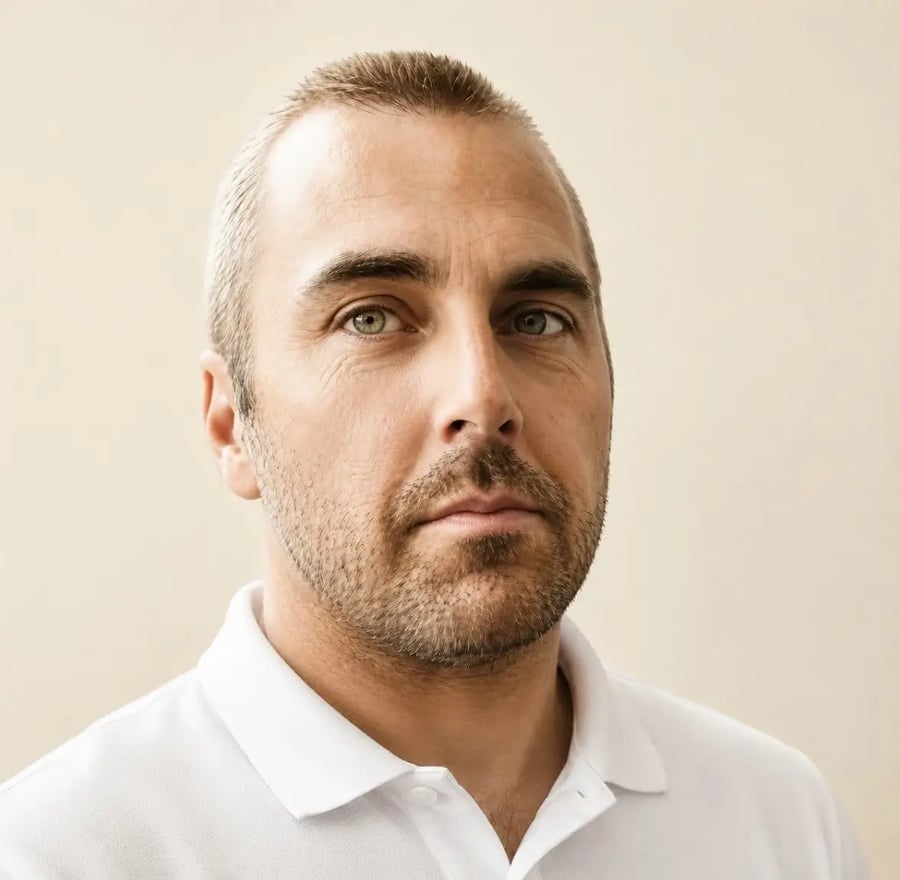
This realization ultimately led me to found Roost.
We did not build Roost because we wanted to put artificial intelligence into healthcare. We built it because one of the most important decisions in home care—deciding who is right to care for another person—is too important to rely on a résumé, a short interview and instinct alone.
Technology cannot replace human judgment. It should make human judgment better.
Working alongside clinical psychologists, we have explored how technology can provide additional insight into qualities such as communication, empathy, emotional resilience and interpersonal awareness.
The objective is not to reduce people to algorithms. It is to give care organizations better information so experienced professionals can make better-informed decisions.
That distinction matters.
Technology cannot manufacture compassion. It cannot create trust. And it cannot tell us everything about the relationship between two human beings.
But it can help organizations identify, support and develop the people who have the qualities that make those relationships work.
There is also a business imperative.
The U.S. is entering a period in which demand for home-based care will continue to grow, while the industry faces the ongoing challenge of finding enough people to provide it. The organizations that succeed will not simply be those that recruit more caregivers. They will be the ones that understand their caregivers better and make better matches between people.
Because the right match can change everything.
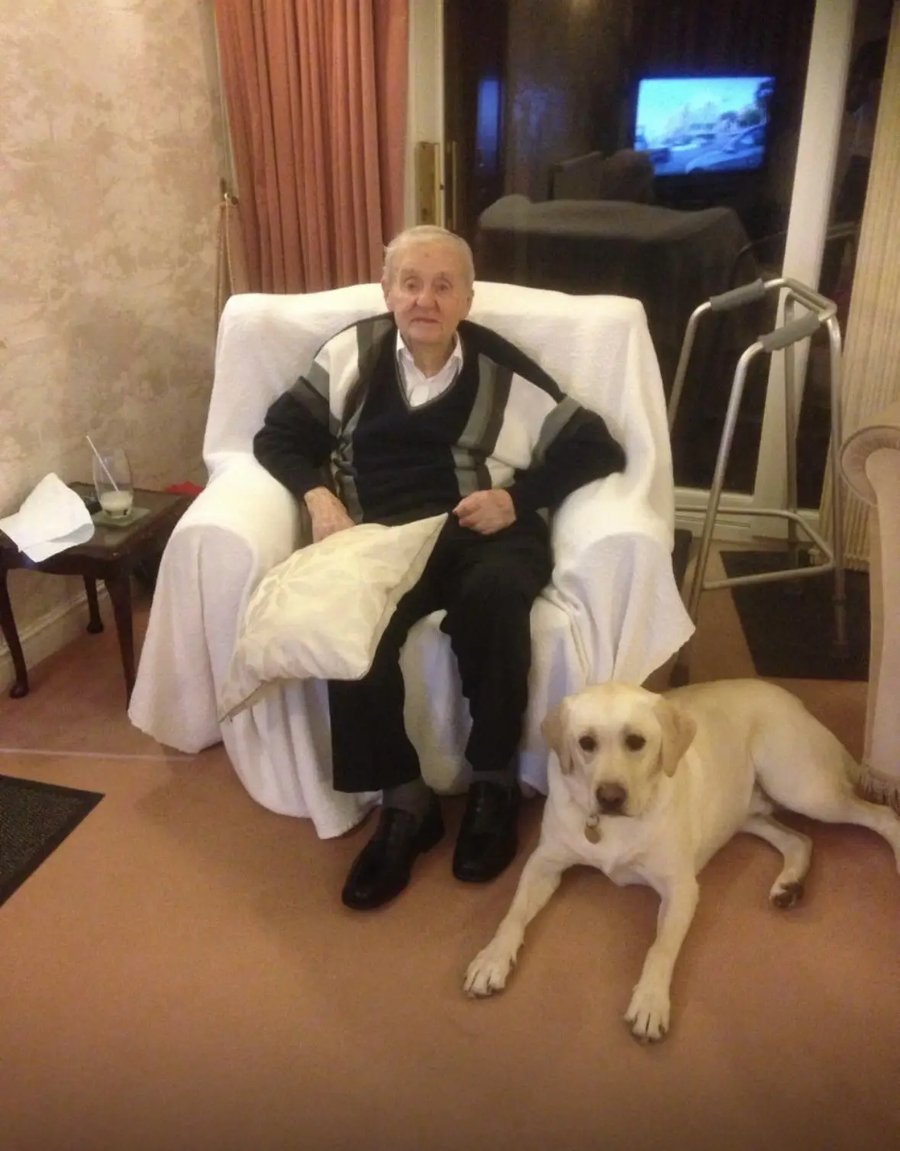
My grandfather's experience with Scott showed me that.
Scott told me that he always tried to make his residents feel valued, preserve their independence and dignity, and “treat others how I would like to be treated.”
That is not a technology lesson.
It is a human one.
But it is also a lesson about where technology can help.
At Roost, our goal is to help create a different kind of home care: the right caregiver matched to the right person, greater visibility for families into how their loved one is doing, and technology that learns from every match.
The technology matters. But it is not the point.
The point is the person sitting at the other end of it.
My grandfather probably never imagined that one caregiver's conversation with him would influence the direction of my career. Scott probably never imagined it either.
But when I think about the future of healthcare, I still think about that room, that conversation and my grandfather's smile.
Healthcare has become very good at measuring whether someone can do the job.
Now we need to become much better at understanding how they care.
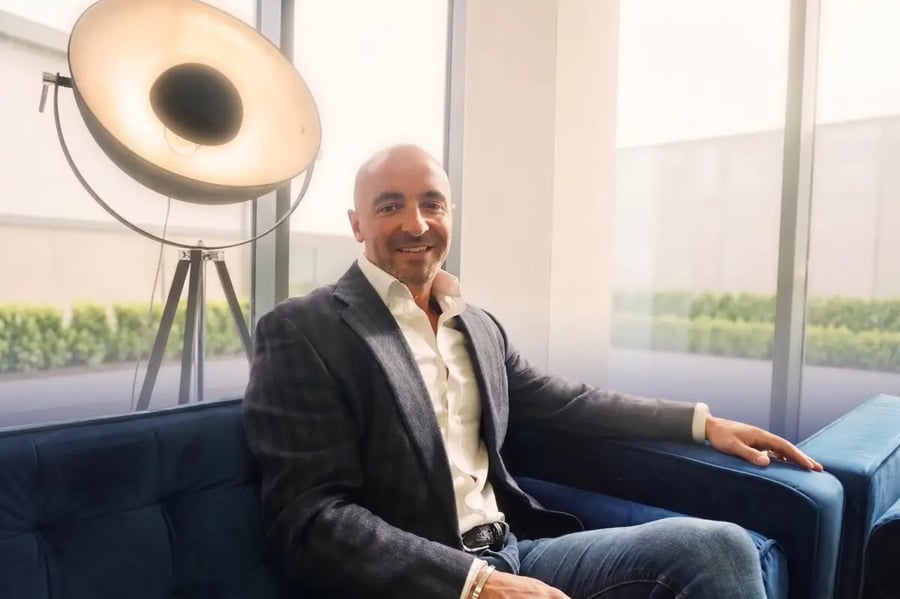
Alex Moran is the CEO and founder of Roost, a technology-enabled home care company focused on improving caregiver matching, family visibility and the delivery of personalized care. Learn more at www.roost.us.
Copyright © 2026 California Business Journal. All Rights Reserved.
For California Business Journal Disclaimers, go to /terms-conditions/.